Similarities and Dissimilarities Between Mesoamerica and South America in Metropolitan Museum of Art
7 bizarre ancient cultures that history forgot
Long-Lost Cultures
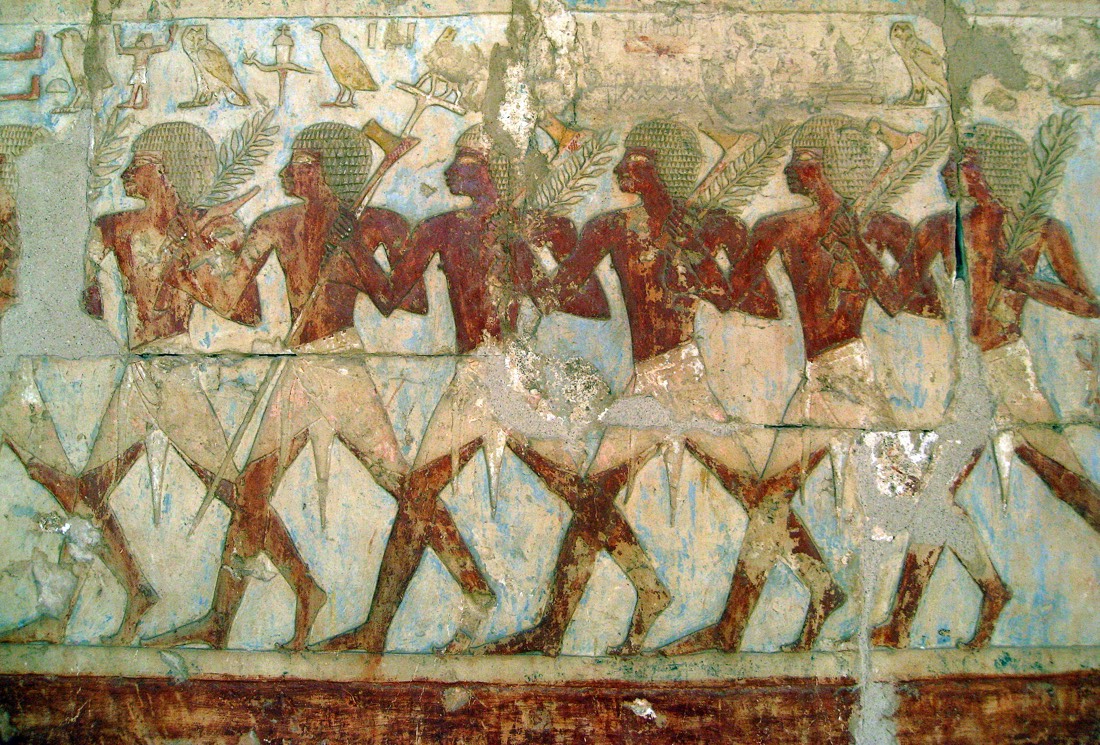
The aboriginal Egyptians had their pyramids, the Greeks, their sculptures and temples. And everybody knows almost the Maya and their famous calendar.
But other aboriginal peoples go short shrift in world history. Here are a handful of long-lost cultures that don't get the name recognition they deserve.
The Silla
The Silla Kingdom was i of the longest-standing imperial dynasties ever. Information technology ruled most of the Korean Peninsula between 57 B.C. and A.D. 935, merely left few burials behind for archaeologists to study.
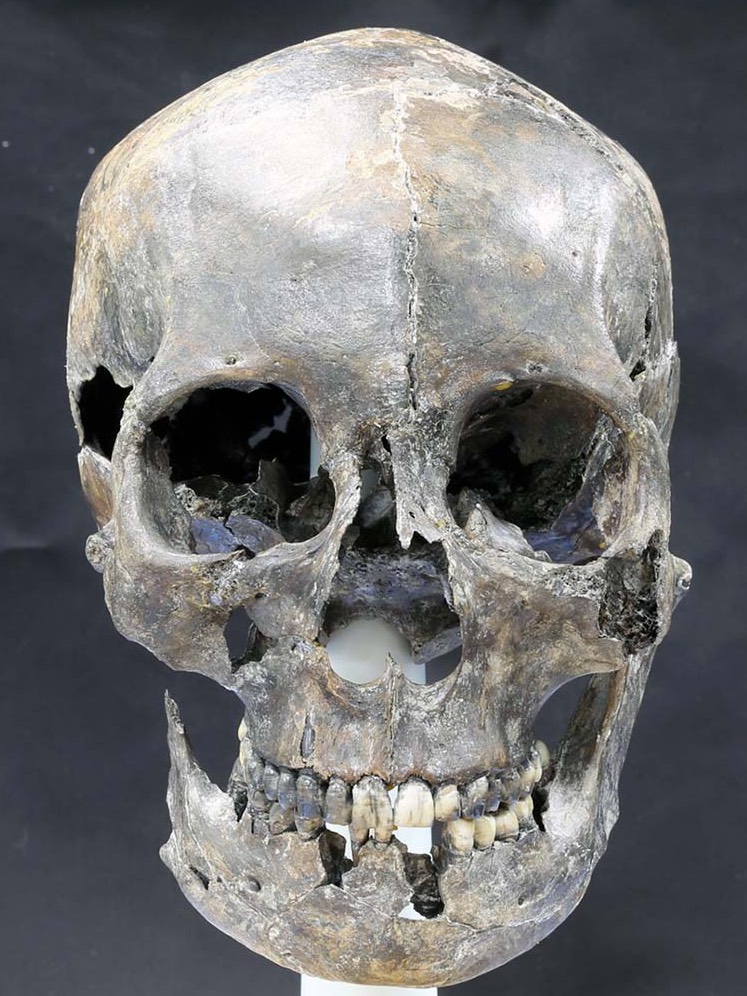
1 recent Silla discovery gave researchers a lilliputian insight, still. The intact bones of a woman who lived to exist in her late 30s was found in 2013 near the historic capital of the Silla (Gyeongju). An analysis of the woman'south bones revealed that she was likely a vegetarian who ate a diet heavy in rice, potatoes or wheat. She too had an elongated skull.
Silla was founded past the monarch Bak Hyeokgeose. Fable held that he was hatched from a mysterious egg in the forest and married a queen born from the ribs of a dragon. Over time, the Silla culture adult into a centralized, hierarchical society with a wealthy aristocratic grade. Though human remains from the Silla people are rare, archaeologists have unearthed a diverseness of luxurious goods made by this civilisation, from a gold-and-garnet dagger to a cast-iron Buddha to jade jewelry, among other examples held at the Gyeongju National Museum in South korea. [See Images of the Long-Headed Woman's Facial Reconstruction]
The Indus
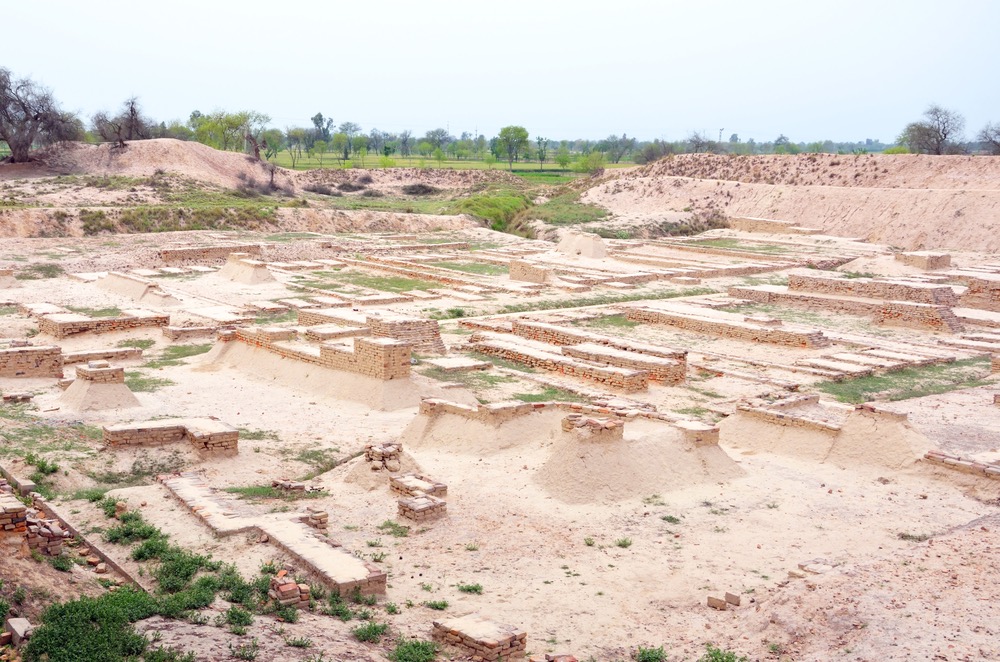
The Indus is the largest-known aboriginal urban civilisation, with the people's country stretching from the Indus River in modern-mean solar day Islamic republic of pakistan to the Arabian Sea and the Ganges in Bharat. The Indus civilisation persisted for thousands of years, emerging effectually 3300 B.C. and declining past about 1600 B.C.
The Indus, as well known every bit the Harappans, developed sewage and drainage systems for their cities, built impressive walls and granaries, and produced artifacts similar pottery and glazed chaplet. They fifty-fifty had dental care: Scientists establish xi drilled molars from adults who lived betwixt 7,500 to 9,000 years agone in the Indus Valley, according to a written report published in 2006 in the periodical Nature. A 2012 study suggested that climatic change weakened monsoonal rains and dried upwards much of the Harappan territory, forcing the civilization to gradually disband and migrate to wetter climes.
The Sanxingdui
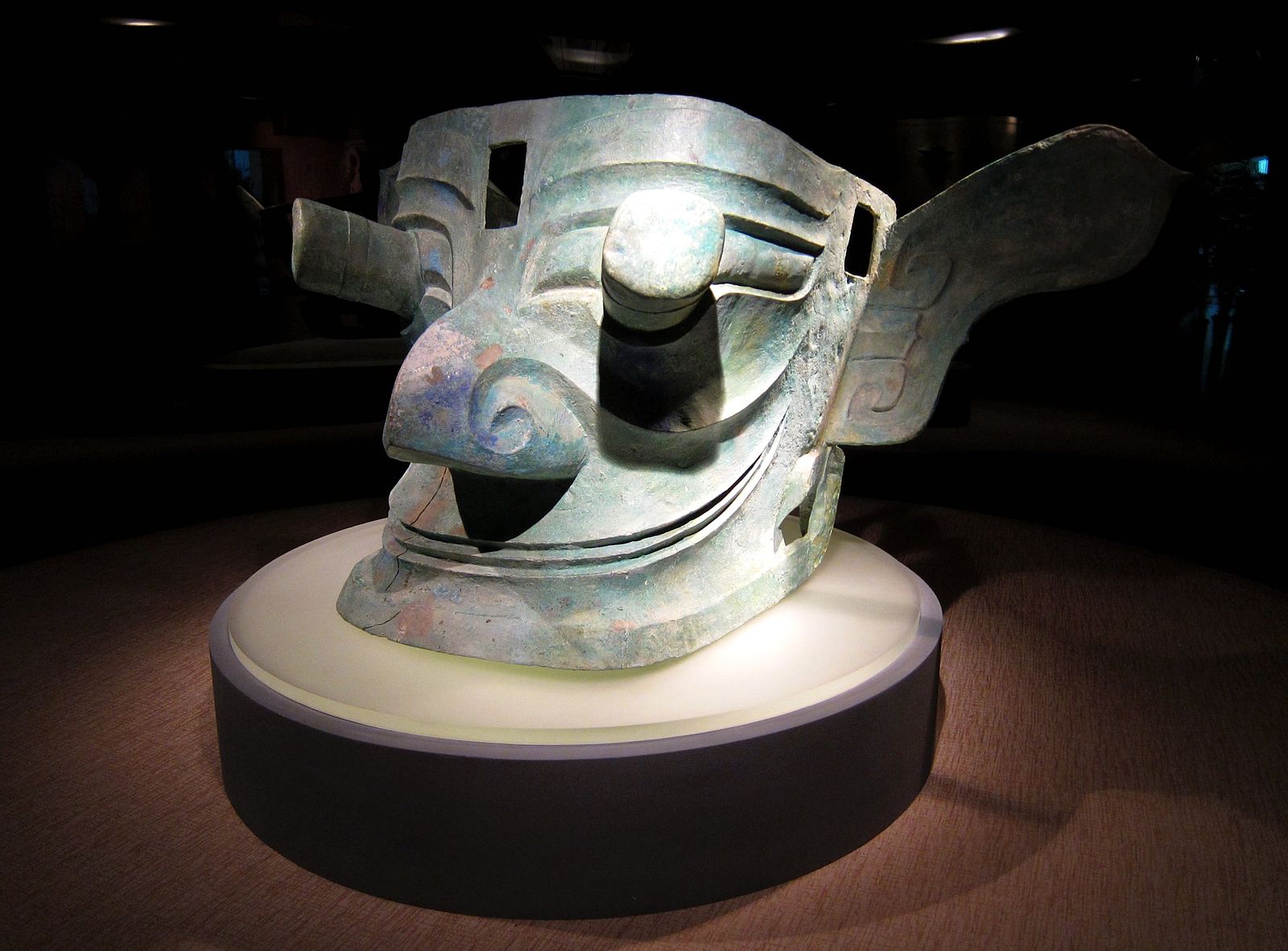
The Sanxingdui were a Bronze Age culture that thrived in what is at present China's Sichuan Province. A farmer beginning discovered artifacts from the Sanxingdui in 1929; excavations in the area in 1986 revealed complex jade carvings and statuary sculptures 8 feet (two.4 meters) tall.
Only who were the Sanxingdui? Despite the evidence of the culture'southward artistic abilities, no i really knows. They were prolific makers of painted bronze-and-golden-foil masks that some archaeologists believe may have represented gods or ancestors, according to the Sanxingdui Museum in China. The Sanxingdui site shows evidence of abandonment about two,800 or 3,000 years ago, and another ancient city, Jinsha, discovered nearby, shows evidence that perchance the Sanxingdui moved in that location. In 2014, researchers at the annual meeting of the American Geophysical Wedlock argued that at around this time, a major earthquake and landslide redirected the Minjiang River, which would have cutting Sanxingdui off from h2o and forced a relocation.
The Nok
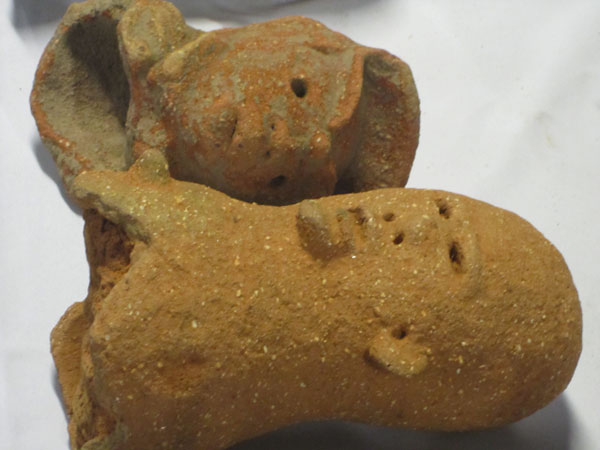
The mysterious and little-known Nok culture lasted from around m B.C. to A.D. 300 in what is today northern Nigeria. Testify of the Nok was discovered by chance during a can-mining operation in 1943, according to the Metropolitan Museum of Art in New York. Miners uncovered a terra-cotta head, hinting at a rich sculptural tradition. Since and so, other elaborate terra-cotta sculptures have emerged, including depictions of people wearing elaborate jewelry and conveying batons and flails — symbols of authority also seen in ancient Egyptian art, according to the Minneapolis Institute of Art. Other sculptures show people with diseases such as elephantiasis, the Met said.
Contributing to the mystery surrounding the Nok, the artifacts have frequently been removed from their context without archaeological analysis. In 2012, the United States returned a cache of Nok figurines to Nigeria after they were stolen from Nigeria's national museum and smuggled into the U.S.
The Etruscans
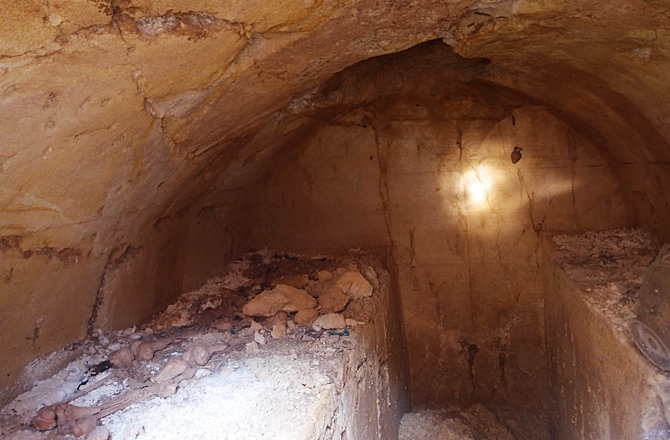
The Etruscans had a thriving society in northern Italy from nigh 700 B.C. to near 500 B.C., when they began to be absorbed by the Roman Republic. They developed a unique written language and left behind luxurious family tombs, including i belonging to a prince that was get-go excavated in 2013.
Etruscan society was a theocracy, and their artifacts propose that religious ritual was a part of daily life. The oldest depiction of childbirth in Western art — a goddess squatting to give birth — was constitute at the Etruscan sanctuary of Poggio Colla. At the aforementioned site, archaeologists found a iv-human foot by 2-human foot (1.2 by 0.6 meters) sandstone slab containing rare engravings in the Etruscanlanguage. Few examples of written Etruscan survive. Another Etruscan site, Poggio Civitate, was a square circuitous surrounding a courtyard. It was the largest building in the Mediterranean at its time, said archaeologists who have excavated more than 25,000 artifacts from the site.
The Land of Punt
Some cultures are known mostly through the records of other cultures. That'south the instance with the mysterious land of Punt, a kingdom somewhere in Africa that traded with the aboriginal Egyptians. The 2 kingdoms were exchanging appurtenances from at to the lowest degree the 26th century B.C., during the reign of the pharaoh Khufu (the builder of the Great Pyramid of Giza).
Strangely, no one actually knows where Punt was located. The Egyptians left enough of descriptions of the goods they got from Punt (gold, ebony, myrrh) and the seafaring expeditions they sent to the lost kingdom. Nevertheless, the Egyptians are frustratingly mum on where all these voyages were headed. Scholars have suggested that Punt may have been in Arabia, or on the Horn of Africa, or possibly down the Nile River at the edge of modern-day South Sudan and Ethiopia.
The Bell-Beaker Culture
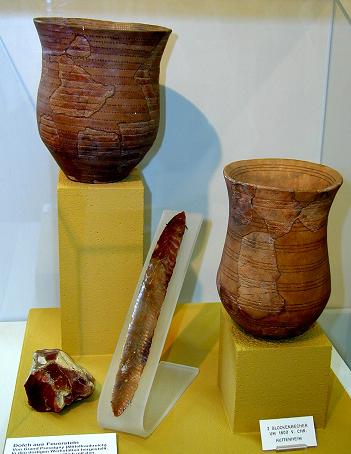
You know a civilisation is obscure when archaeologists proper noun it based on its artifacts alone. The Bell-Chalice civilisation made pottery vessels shaped like upside-downwards bells. The makers of these distinctive drinking cups lived across Europe betwixt about 2800 B.C. and 1800 B.C. They as well left behind copper artifacts and graves, including a cemetery of 154 graves located in the modern-twenty-four hour period Czech Republic.
The Bong-Beakers were also responsible for some of the construction at Stonehenge, researchers accept establish: These people likely arranged the site's small-scale bluestones, which originated in Wales.

Stephanie Pappas is a contributing writer for Alive Science, covering topics ranging from geoscience to archaeology to the man brain and behavior. She was previously a senior writer for Live Science just is now a freelancer based in Denver, Colorado, and regularly contributes to Scientific American and The Monitor, the monthly magazine of the American Psychological Association. Stephanie received a available's degree in psychology from the University of South Carolina and a graduate certificate in science advice from the University of California, Santa Cruz.
Source: https://www.livescience.com/55430-bizarre-ancient-cultures.html
0 Response to "Similarities and Dissimilarities Between Mesoamerica and South America in Metropolitan Museum of Art"
Post a Comment